
Information and Consent Form for Ear Wax Removal
 Please read this carefully before your appointment.
To provide your consent, please complete and return the form at the bottom of this page.
Procedure Information
Ear wax removal is carried out using micro suction and/or irrigation by fully qualified healthcare professionals.
Removing excess ear wax may help relieve symptoms such as a blocked feeling in the ear, reduced hearing, discomfort, or tinnitus. It can also allow the Audiologist to examine your ears more clearly and carry out any hearing-related care that may be needed.
This information explains the procedure, its benefits, risks, and alternatives to help you provide informed consent.
What to Expect and Preparation
At your appointment, your ears will be examined and your clinician will assess the most suitable method of treatment. They will explain the chosen procedure in detail, answer any questions you may have and confirm your consent before treatment.
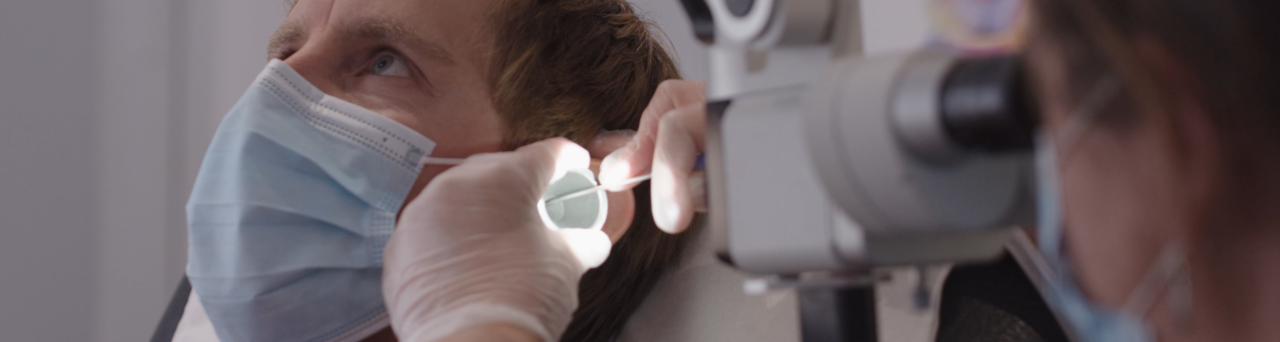
Micro suction uses a small suction probe to gently remove the wax while the clinician watches through a microscope. The procedure is generally quick and painless, but you may feel slight tugging or hear a noisy, high-pitched suction sound.
Irrigation uses a controlled flow of water at an appropriate temperature to remove earwax where clinically suitable.
Alternatively, if the wax is not too deep, the clinican may use small tools like a curette to gently scoop it out.
Softening the wax may make removal easier and may reduce the likelihood that a further appointment is required. To help prepare your ears for the best results; you can apply 2-3 drops of olive oil into the affected ear, twice daily for 3-5 days before your appointment. Olive oil drops are available to buy from Hearing Wales, but will also be sold at most local pharmacies.
Possible Risks
Although complications are uncommon, all ear wax removal procedures carry some risk. While every care is taken, possible risks include (but are not limited to):
- Discomfort or pain
- Damage to the ear canal skin or ear drum
- Temporary dizziness or light-headedness
- Bleeding or infection
- Eardrum perforation
- Temporary or permanent changes in hearing / hearing sensitivity
- Temporary worsening of existing tinnitus or triggering of tinnitus
- Coughing or throat irritation during treatment
- Incomplete removal needing a follow-up
- Possible referral to GP/ENT where clinically appropriate
Your clinician will take appropriate precautions and patients must remain still during the procedure to minimise risk.
You can ask us to stop the procedure at any time. You should tell the clinician immediately if you experience pain, significant discomfort, dizziness or any other concern.
Medical History
The conditions listed below may affect the suitability of ear wax removal treatment.
Please tell us if any of the following apply:
- Ear pain within the last 30 days
- Current or recent ear discharge, infection or inflammation
- A current or recent perforated eardrum, or a history of a perforation
- A history of complications following earwax removal
- Currently under the care of an ENT specialist
- Recent vertigo or recurrent dizziness
- A blood-clotting disorder or take anticoagulant/blood-thinning medication
- Previous ear surgery (including grommets, past or present, or mastoid surgery)
- Eczema, psoriasis or another skin condition affecting the ears
- Significant or troublesome tinnitus, particularly if it is affected by loud sounds
- Diabetes
- Immunocompromised condition
- Difficulty keeping your head still during treatment
- Hearing only in one ear
If you answer “Yes” to any of the above, please provide details in the relevant box on the form below. This information will be reviewed by the clinician, who will assess whether treatment is suitable and which removal method is most appropriate. We may contact you before your appointment to discuss any relevant medical history in more detail.
Aftercare
Following earwax removal, you should seek medical advice promptly if you develop:
- significant or increasing ear pain
- swelling
- discharge or an unpleasant odour from the ear
- a significant or unexpected change in hearing
- persistent or severe dizziness
- any other symptoms that concern you.
Contact Hearing Wales if you have any concerns. We may recommend assessment by your GP, ENT or another appropriate healthcare professional where necessary.
Terms & Conditions
- Payment is required before your appointment. Ear wax removal costs £55 in clinic or £85 for a home visit. Any discounts and promotions discussed are subject to clinic policy.
- If no wax requiring removal is present, a £30 refund will be issued. This applies to both appointment types. The remaining fee covers clinician time, travel (where applicable), assessment, and use of equipment.
- Cancellations with less than 24 hours’ notice and missed appointments may be charged in full.
- Your information is handled in accordance with applicable UK data protection law, including the UK GDPR and Data Protection Act 2018. See our privacy policy for more information.